The gachas
Every gacha has four tiers: Common, Uncommon, Rare and Epic. Its tier odds and prizes are set on-chain when it is created, and are shown on its page before you pay. A new gacha's Rare odds are at most 4% and its Epic odds at most 1%. A gacha created before that rule (4 November 2026) keeps the odds it was published with until Expo publishes a new version of it. On a gacha that locks the prizes its reserve can't pay yet, a fully locked tier passes its share to the tier below for that opening.
#NFT ETF
A basket of collections sorted into tiers by price. Each opening draws a tier, then one prize of that tier. Inside a tier, costlier prizes have lower chances. The page shows each tier's odds, not a chance for each prize.

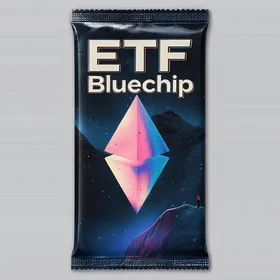
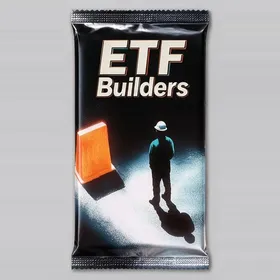
A few of the collections in the Bluechip ETF:








#Intra-collection
One collection. Tokens are ranked by the rarity of their traits, then cut into tiers:






| Tier | Share of the collection |
|---|---|
| Common | 70% |
| Uncommon | 20% |
| Rare | 8% |
| Epic | 2% |
Tier odds follow the tiers' values: a tier worth twice as much is half as likely, so every tier weighs the same in what a capsule is worth, except that Rare stays at or under 4% and Epic at or under 1%. What they cannot take goes to Common and Uncommon, and the price follows from the expected value, so it is lower when the tiers are close in value.
The ranking is frozen when the gacha is created. Each tier's token IDs are committed on-chain as a Merkle root, so the pool only accepts delivery of a token from the tier you drew. A token added to the collection later is in no tier.
#Tailor made
Any wallet can launch a gacha from the collections Expo approved: pick the collections, give it a name and artwork. Expo sets the tiers, odds and price, and signs them. The creator pays a launch fee of 0.001 ETH and can earn up to 3% of each opening.
Expo funds every prize from its reserve, so a launch must fit its exposure limit: open capsules × top prize must stay within 2% of the free reserve at the time of the quote.
#How prices are set
- Reference value. A collection's reference is a recent market price, read from live OpenSea listings: the fifth-cheapest for a whole collection, the third-cheapest for a rarity tier. A tier with few listings uses its most expensive one.
- Purchase budget. The reference plus 25%, which is the most Expo can pay to buy that prize.
- Price. The expected value of a capsule divided by a 90% target return, and never less than the expected value plus the transaction costs Expo pays.
The price of a live gacha does not change. When the market moves, Expo can publish a new version of it.
The 90% is a target computed from listings at creation time, not a promise about any single opening. Most openings return less than the price, and a few return much more.